works

works

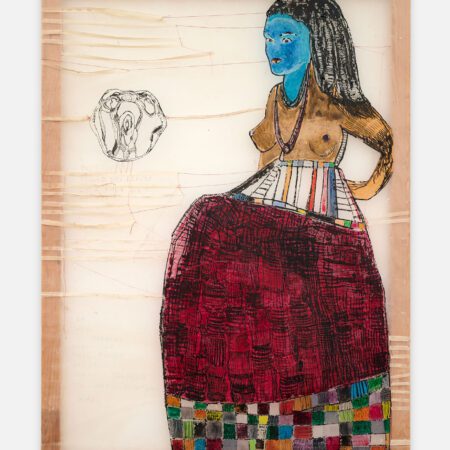
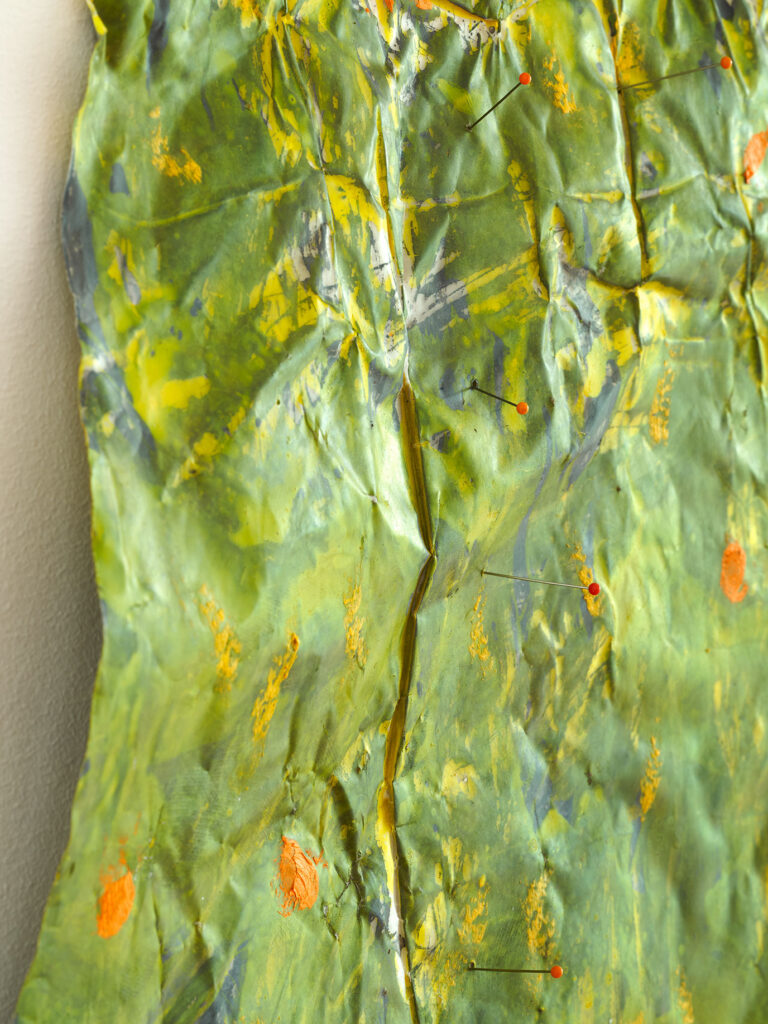
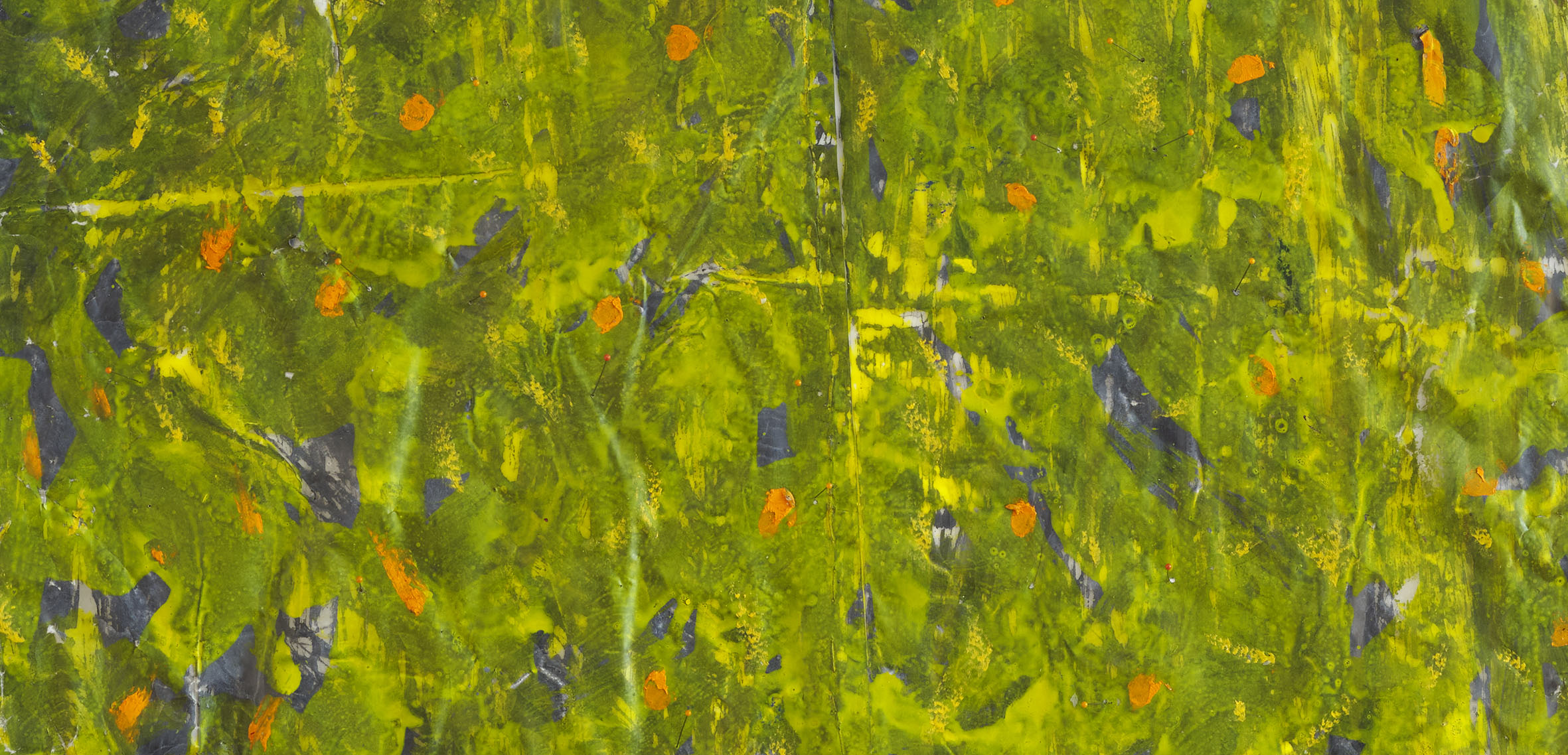
Katharina Lökenhoff ’s artistic work is guided by the concept of the membranous. The interface that remains passable and, as a resonating place, leaves room for movement and encounter. Like the skin, it forms a common level of contact between the world and the body, remaining flexible and mobile in its tiligree structure, but also vulnerable. In the membrane works by Katharina Lökenhoff, this becomes effective both formally in the creative means as well as in terms of motif and aesthetics: evident in the supple material of the wax skin, with which the canvas or painting surface becomes a permeable fabric – with iridescent surfaces that range from a delicate, shiny to a matt, opaque appearance. The silk dipped in wax testities to a lightness and transparency that both conceals and reveals. lt is a tactile art in which the skin is not an object of voyeurism, but becomes a feeling subject. In the series of typological portraits, this is expressed in the changing membrane skins, through which certain states of consciousness appear in the face. Seeing as touching, in which the eye (of the artist) can sometimes lose its distance and lead to an encounter with itself. The material image carrier literally becomes a membrane where opposing movements intersect. The composition and format of the portraits themselves also create moments of contact, in which the visual axes penetrate each other and lead us into our own inner selves. Driven by a permeability that dissolves hierarchies and questions positionings and orientations, Lökenhoff’s works approach threshold situations and moments that repeatedly elude strict binarities.

Text Julia Martel, Translation Alexandra Dorstewitz 

Leitend für die künstlerische Arbeit von Katharina Lökenhoff ist ein Konzept des Membranischen. Die Grenzfläche, die passierbar bleibt und als ein resonierender Ort Raum für Bewegung und Begegnung lässt. Wie die Haut bildet sie eine gemeinsame Berührungsebene von Welt und Körper, bleibt in ihrer filigranen Struktur flexibel und beweglich, aber auch verletzlich. In den Membran-Arbeiten von Katharina Lökenhoff wird das sowohl formal in den gestalterischen Mitteln als auch motivisch und ästhetisch wirksam: Augenscheinlich im geschmeidigen Material der Wachshaut, mit der die Leinwand bzw. der Malgrund zu einem durchlässigen Gewebe wird – mit changierenden Oberflächen, die von einer zart-glänzenden bis hin zu einer matt-opaken Anmutung reichen. Die in Wachs getauchte Seide zeugt von Leichtigkeit und Transparenz, die ver-hüllend und enthüllend zugleich wirkt. Es ist eine taktile Kunst, in der die Haut nicht Schaulust darbietet, sondern zum fühlenden Subjekt wird. In der Serie der typologischen Porträts findet das einen Ausdruck in den wandelnden Membranhäuten, über die bestimmte Bewusstseinszustände im Antlitz aufscheinen. Ein Sehen als Berühren, in dem auch das Auge (der Künstlerin) zuweilen an Distanz verlieren und zur Begegnung mit sich selbst führen kann. Der materielle Bildträger wird buchstäblich zur Membran, an der sich gegenläufige Bewegungen kreuzen. Komposition und Format der Porträts selbst bedingen zudem Berührungsmomente, in denen sich die Blickachsen im Angeblicktwerden durchdringen und ins eigene Innere führen. Getragen von einer Durchlässigkeit, die Hierarchien auflöst, Positionierungen sowie Ausrichtungen infrage stellt, nähern sich Lökenhoffs Arbeiten Schwellensituationen und -momenten, die sich strikten Binaritäten immer wieder entziehen. Fragen zur Erfahrung, Überwindung und Verschiebung von Grenzen treten in den Arbeiten der Künstlerin Katharina Lökenhoff in den Mittelpunkt. Das spiegelt sich u.a. im verwendeten Material der Wachshaut wider, mit dem jeder Grenze und Begrenzung immer auch eine Permeabilität innewohnt. 

news

news

Die Prinzipien der “Sozialen Skulptur” als Grundlage aktueller Friedensarbeit
Seit meinem ersten CROSSING – Projekt vor sieben Jahren hat sich die Welt enorm verwandelt. Wir haben alle die einschneidende Phase der sog.“Corona-Zeit” erlebt und neben vielen anderen globalen Extrem-Ereignissen fordern uns aktuell unfassbare humanitäre Gräueltaten zu konsequenten Taten heraus. Daher bin ich in der Begegnung mit internationalen Künstler*Innen in Kairo und Athen im Oktober bis Dezember 2025 der Frage nachgegangen, wie wir aus eigener Tätigkeit heraus neue Formen der Friedensarbeit entwickeln können.
23.-25.1.26

The principles of ‘social sculpture’ as the basis for current peace work
Since my first CROSSING project seven years ago, the world has changed enormously. We have all experienced the dramatic phase of the so-called ‘Corona period’ and, in addition to many other extreme global events, we are currently being challenged by inconceivable humanitarian atrocities to take consistent action. That is why, in my encounters with international artists in Cairo and Athens from October to December 2025, I explored the question of how we can develop new forms of peace work from our own activities.
23.-25.1.26


23.-25.1.26
zu den Prinzipien der “Sozialen Skulptur” als Grundlage aktueller Friedensarbeit
mit anschließendem Austausch mit dem Publikum

Interview and discussion with Shelley Sacks 
on the principles of ‘social sculpture’ as the basis for current peace work followed by a discussion with the audience


24.1.26, 16.00
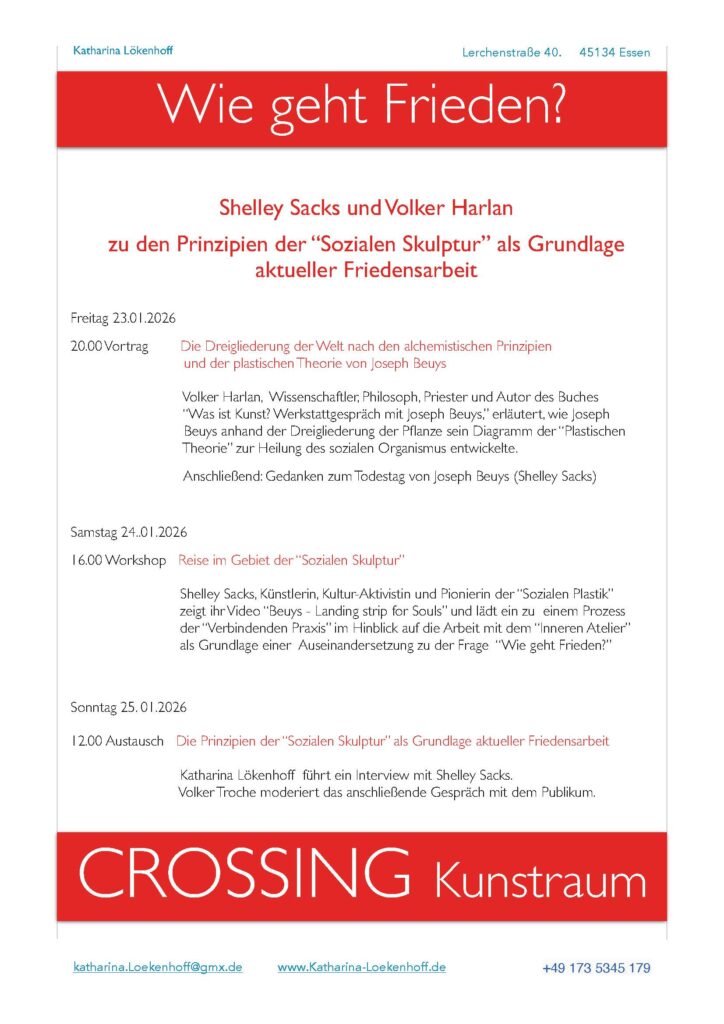
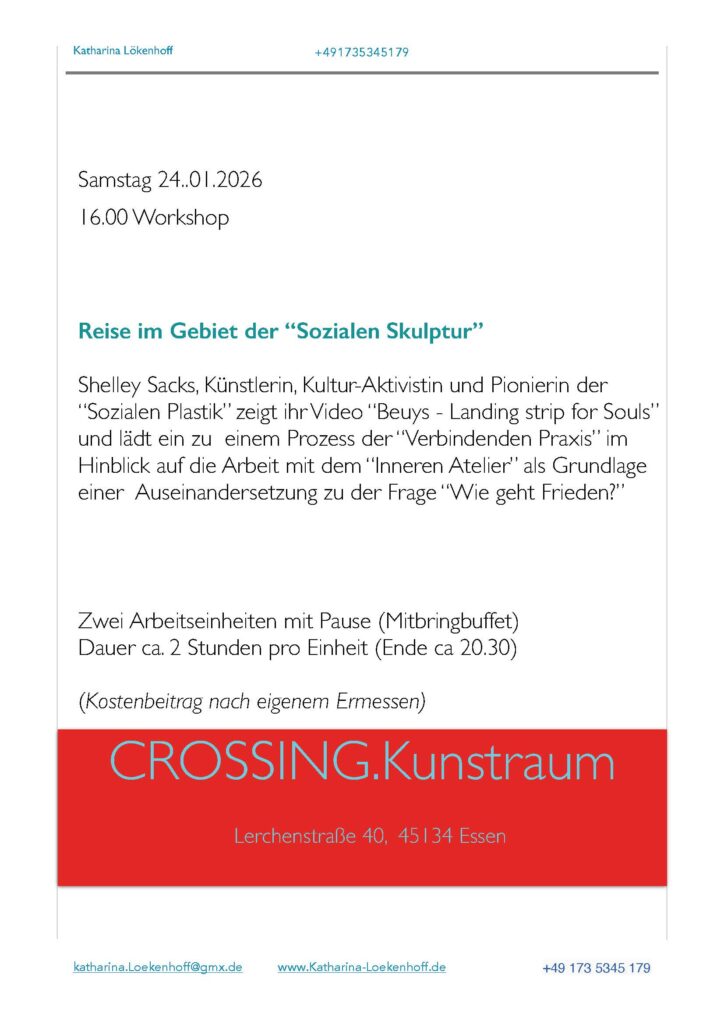
Reise im Gebiet der „Sozialen Skulptur” mit Shelly Sacks

Shelley Sacks zeigt ihr Video “Beuys – Landing strip for Souls” und lädt ein zu einem Prozess  der “Verbindenden Praxis” im Hinblick auf die  Arbeit mit dem “Inneren Atelier” als Grundlage einer  Auseinandersetzung zu der Frage  “Wie geht Frieden?”

24.1.26, 4 p.m.
Journey into the realm of ‘social sculpture’ with Shelly Sacks

Shelley Sacks shows her video ‘Beuys – Landing Strip for Souls’ and invites viewers to engage in a process of ‘connective practice’ with regard to working with the ‘inner studio’ as a basis for exploring the question ‘How does peace work?’

“Die Dreigliederung der Welt nach den alchemistischen Prinzipien und der Plastischen Theorie von Joseph Beuys”

Volker Harlan,  Autor des Buches “Was ist Kunst? Werkstattgespräch mit Joseph Beuys,” erläutert, wie Joseph Beuys anhand der Dreigliederung der Pflanze sein Diagramm zur plastischen Theorie und zur Heilung des sozialen Organismus entwickelte.

Vortrag im CROSSING.Kunstraum am 23.01.26, 20.00

“The threefold division of the world according to alchemical principles and Joseph Beuys’ plastic theory”

Volker Harlan, author of the book “What is Art? Workshop Discussion with Joseph Beuys,” explains how Joseph Beuys developed his diagram on plastic theory and the healing of the social organism based on the threefold division of plants.

Lecture at CROSSING.Kunstraum on 23 January 2026, 8 p.m.

What about peace? Come, sit by my garden – Exhibition at Yellow Brick, Athen, 11.12., 19.00
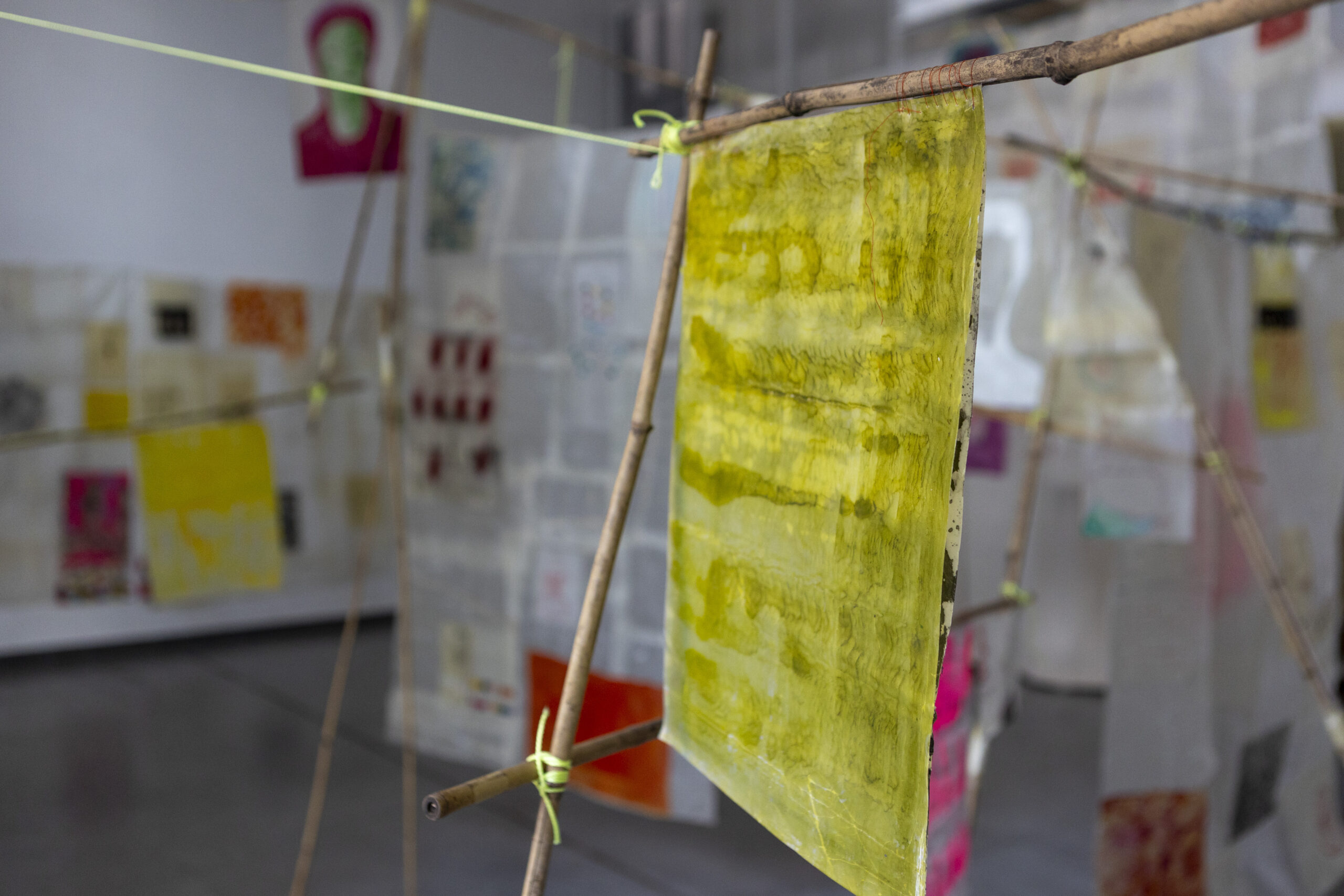
A floating installation in space. How can we cross from myths to cultures? What are the points of reflection and healing through traditional practices? Lökenhoff, through her everyday observations while walking in Athens and Cairo over the last three months, suggests a point of coming together—like a womb or like a garden—where, through our personal paths, we can encounter one another in a quiet process of crossing a threshold to find her reflections on this question. Her installation, made of wax skin, draws on motifs from the myth of the Garden of the Hesperides, mapping them onto current conflicts shaped by outdated patriarchal structures. A voice reminds us that “the beauty we create never dies.”

Workshop at ARD Art Institution Kairo
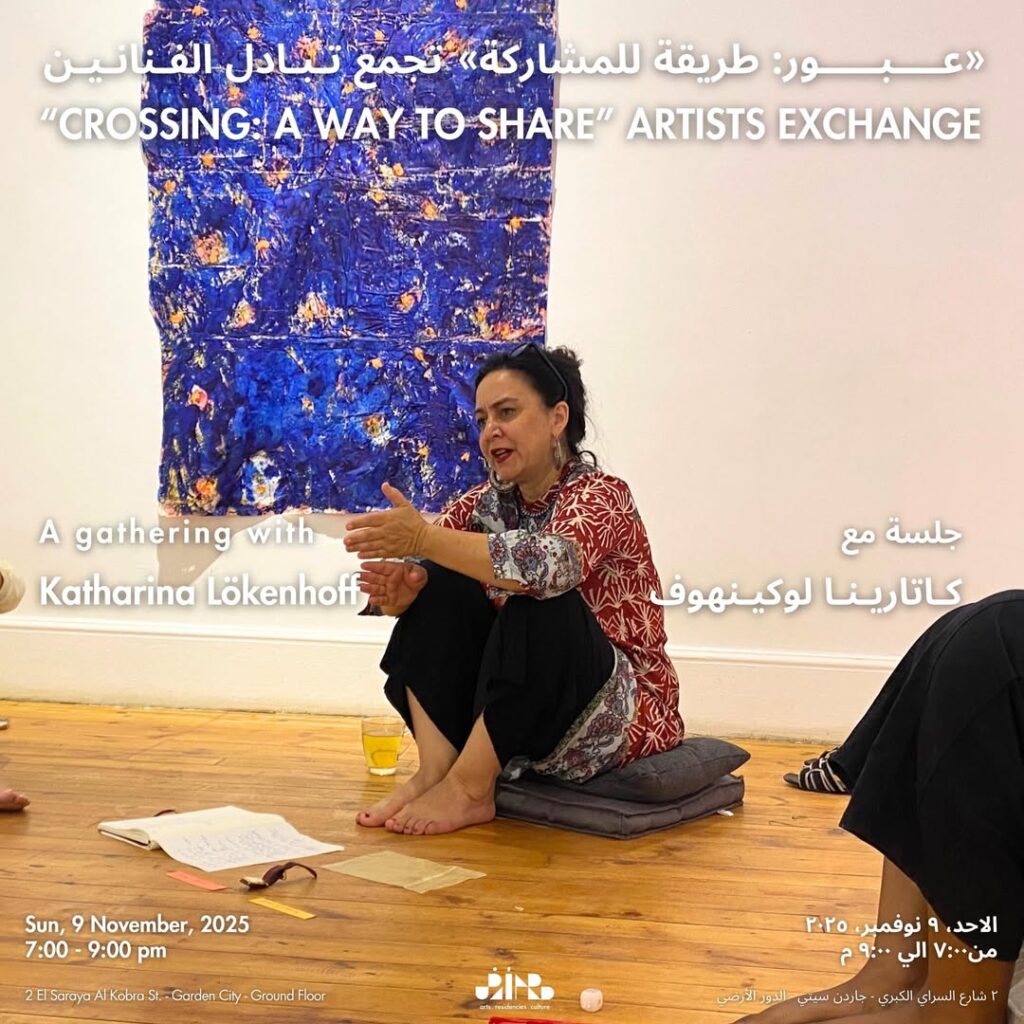
This Artist Exchange is titled “How can we find answers to pressing questions through a shared process?”
In this gathering, Katharina opens a space to cross the “threshold” phenomenon toward new insights into the challenges we face both personal and collective and to reflect on how we might take meaningful steps amidst unbearable situations.
The gathering focuses on practicing new forms of communication based on imaginative seeing and active listening methods developed in collaboration with Shelley Sacks and the Social Sculpture Lab, grounded in the work of Joseph Beuys and Goethe’s Metamorphosis of Plants.

*Date: Sunday, November 9, 2025
*Time: 7:00 9:00 M

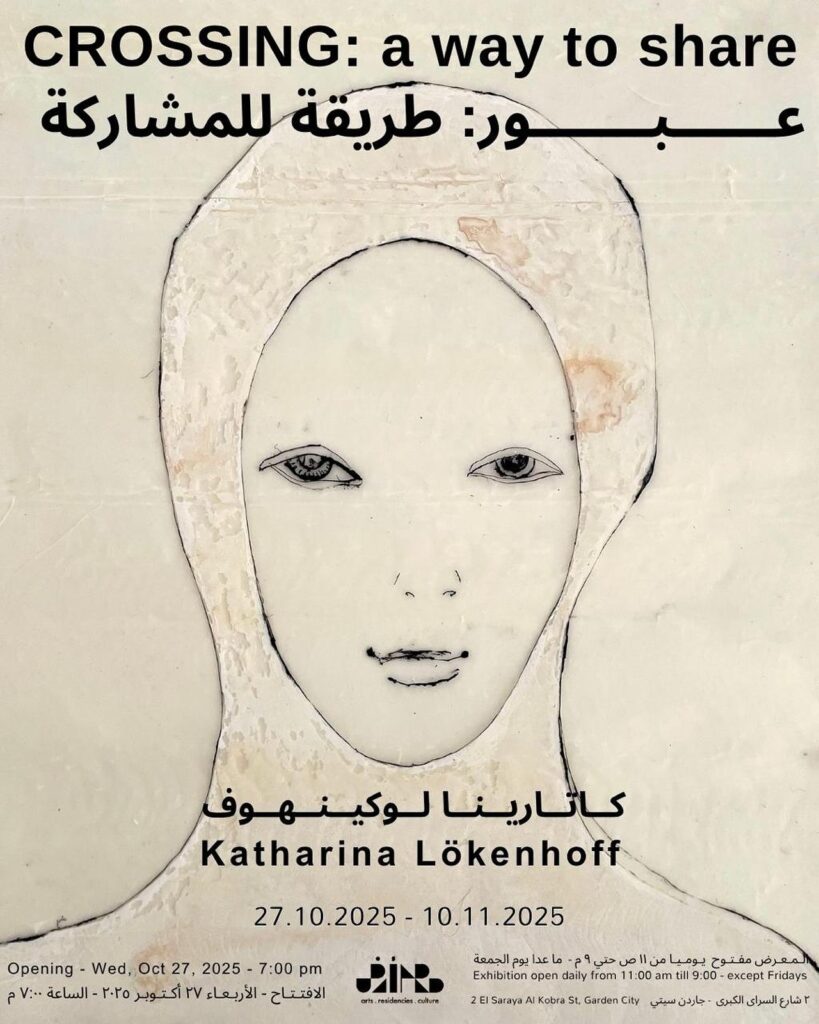
Exhibition CROSSING: A WAY TO SHARE AT ARD Art Institution KAIRO, GardenCity
This exhibition explores the phenomenon of the threshold and the ‘in-between’ exploring connection and transformation through delicate waxskin works that embody the potential for exchange and connection
*Opening: Monday, October 27 at 7:00 PM
Exhibition is open to the public till November 10*
Gallery hours: open daily except Fridays from 11:00 AM – 9:00 PM

OPEN STUDIO 21.9. 2-7pm

Im CROSSING.Kunstraum sind aktuelle Arbeiten zu sehen und das Projekt
„Wie geht Frieden?“ wird vorgestellt. 

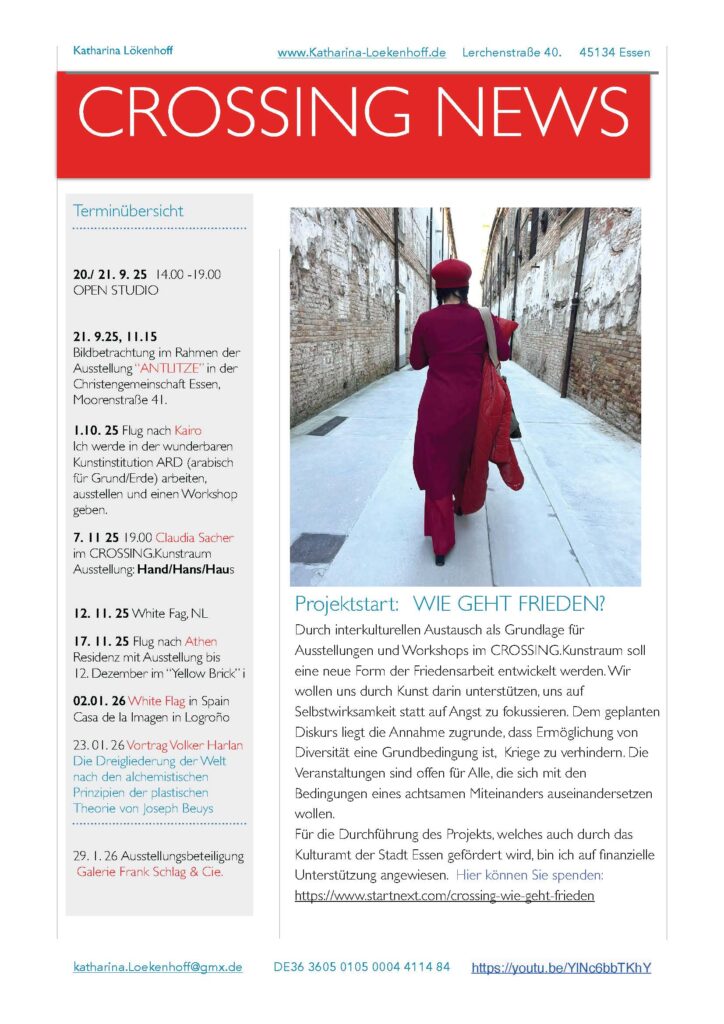
Termine
1.10. 25
Flug nach Kairo
Residenz, Ausstellung und Workshop in der ARD art Institution
7. 11. 25 19.00 Claudia Sacher  im CROSSING.Kunstraum Ausstellung: Hand/Hans/Haus
12. 11. 25 White Fag, NL
17. 11. 25  Residenz mit Ausstellung bis 12. Dezember im “Yellow Brick” Athen
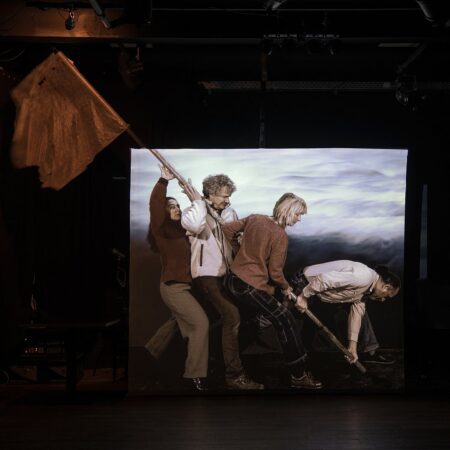
02.01. 26 White Flag in Spain Casa de la Imagen in Logroño
23. 01. 26 Vortrag von Volker Harlan: Die Dreigliederung der Welt nach den alchemistischen Prinzipien der plastischen Theorie von Joseph Beuys
29.1.26 Ausstellungsbeteiligung Galerie Frank Schlag & Cie.

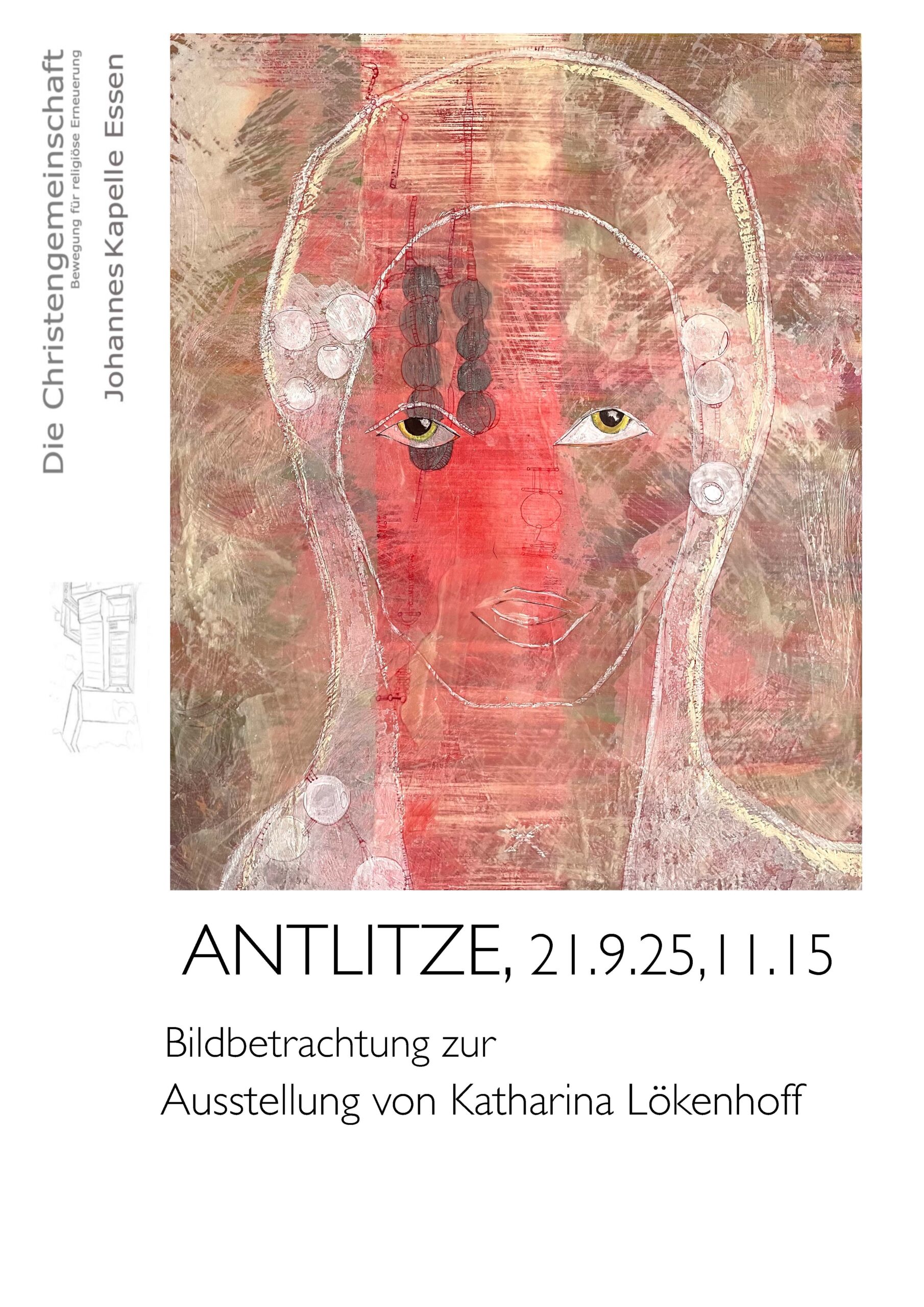
Bildbetrachtung

zur Ausstellung „Antlitze“

am 21.9. um 11.15 in der
Christengemeinschaft Essen
Moorenstraße 40

CROSSING in Cairo 2025
I will be working and exhibiting in Cairo at the ARD Art Institution in Cairo for one month,
from 1 October 2025 to 31 October 2025.
Accommodation is located in the ARD annex in Garden City, Cairo.
ARD was founded in 2022 by Hana El-Beblawy and specialises in contemporary art practices within the local and international art scene.

CROSSING CAIRO 2025
Ich werde einen Monat lang, vom 1. Oktober 2025 bis zum 31. Oktober 2025, in Kairo in der ARD Kunstinstitution in Kairo arbeiten und ausstellen.
Die Unterkunft befindet sich im ARD-Anbau in Garden City, Kairo.
ARD ist 2022 von Hana El-Beblawy gegründet worden und hat sich auf zeitgenössische Kunstpraktiken innerhalb der lokalen und internationalen Kunstszene spezialisiert.

New artistic process in summer 2025
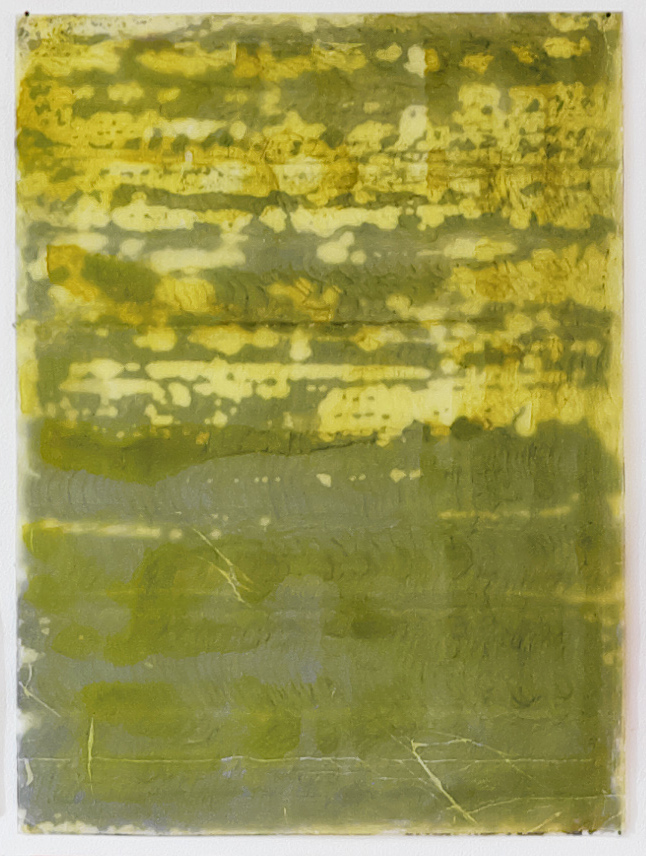
In summer 2025, a new artistic process will begin as part of the continuation of the CROSSING project. I work with wax skin, paint, needles and foam. The painterly and sculptural explorations aim to find orientation within a contemporary context in which ‘normal’ explanatory models seem to have dissolved. Compass systems are the laws of colour perception, maps of ancient myths and figures of geometry. At the same time, the artistic process is characterised by a desire to play and a longing to develop new vehicles for crossing thresholds.

Neuer künstlerischer Prozess im Sommer 2025
Im Sommer 2025 startet ein neuer künstlerischer Prozess im Rahmen der Fortsetzung des CROSSING-Projekts. Gearbeitet wird mit Wachshaut, Farbe, Nadeln und Schaumstoff. Die malerischen und skulpturalen Forschungen zielen nach Orientierung innerhalb eines Zeitgeschehens, in welchem “normale” Erklärungsmodelle aufgelöst scheinen. Kompassysteme sind die Gesetze der Farbwahrnehmung, Landkarten antiker Mythen und Figuren der Geometrie. Gleichzeitig ist der künstlerische Prozess geprägt durch Lust am Spiel und der Sehnsucht, neue Vehikel für Schwellenübergänge zu entwickeln.

New CROSSING projects 2025
In 2018/2019, Katharina Lökenhoff travelled from Iceland to South Africa with her artistic research project CROSSING THE THRESHOLD and interviewed artists around the world on this topic. From this process, she developed the new interdisciplinary project space CROSSING, which has been based in Essen since 2024. There will be further journeys in 2025/26. In interviews and exhibitions, the confrontation with threshold phenomena will be continued as a basis Basis for shaping the future sustainably. The results will be shown in the CROSSING art space, among other places. 

Neue CROSSING-Projekte 2025
Im Jahr 2018/2019 war Katharina Lökenhoff mit ihrem künstlerischen Forschungsprojekt CROSSING THE THRESHOLD auf Reisen von Island nach Südafrika und befragte weltweit Künstler:innen zu diesem Thema. Aus diesem Prozess entwickelte sie den neuen interdisziplinären Projektraum CROSSING, der seit 2024 in Essen angesiedelt ist. Im Jahr 2025/26 wird es weitere Reisen geben. In Interviews und Ausstellungen wird die Konfrontation mit Schwellenphänomenen als Grundlage nachhaltiger Zukunftsgestaltung weitergeführt und die Ergebnisse u.A. im Kunstraum CROSSING gezeigt werden. 

Hand/Hans/Haus – Claudia Sacher  am 7.  November im CROSSING.Kunstraum
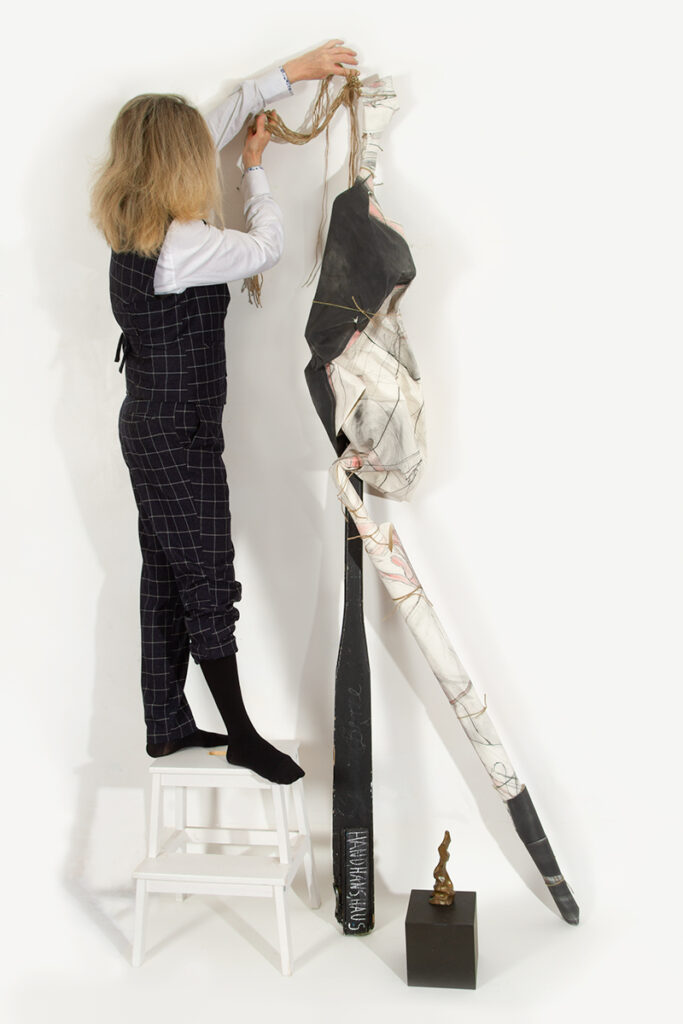
Hand/Hans/Haus ist eine künstlerische Arbeit von drei Menschen, Claudia Sacher, Viviane und Vincent Straub, die miteinander verwandt sind. Sie leben in unterschiedlichen Ländern und haben sich immer wieder während des Sterbeprozesses am Bett des Sterbenden, zuhause, im Krankenhaus und im Hospiz getroffen. Die Rauminstallation, angelegt wie ein Garten, der zum Verweilen und Entdecken einlädt, zeigt große Malereien, Zeichnungen, Videos und Skulpturen, sowie einen Film, der damals auf der Zeche Zollverein gedreht wurde. Es war die erste künstlerische Arbeit die auf diesem Gelände stattfand, bevor die Zeche renoviert wurde. Damals, wie heute, ausgelöst durch den Verlust eines geliebten Menschen und in bemerkenswerte poetische Bilder und Geschichten umgewandelt. Sie schaffen eine erfrischende und friedvolle Atmosphäre, die Besucher aufleben lassen wird. (claudiasacherart.com)

Hand/Hans/Haus is an artwork by three people, Claudia Sacher, Viviane and Vincent Straub, who are related to each other. They live in different countries and met repeatedly during the
dying process at the bedside of the dying person, at home, in hospital and in hospice care. The art installation, designed like a garden that invites visitors to linger and explore, features large
paintings, drawings, videos and sculptures hanging from the ceiling. A film made at the Coal
Mine Zollverein (https://www.zollverein.de) about the first artwork that took place on this site
before the mine was renovated. Then, as now, triggered by the loss of a loved one and transformed into remarkable poetic images and stories. They create a refreshing and peaceful
atmosphere that will revive visitors. (claudiasacherart.com)

CROSSING – Wie geht Frieden: CROWDFUNDING startet jetzt!
https://www.startnext.com/crossing-wie-geht-frieden
Durch interkulturellen Austausch als Grundlage für Ausstellungen und Workshops soll eine neue Form der Friedensarbeit entwickelt werden. Wir wollen uns durch Kunst darin unterstützen, uns auf Selbstwirksamkeit statt auf Angst zu fokussieren. Dem geplanten Diskurs liegt die Annahme zugrunde, dass Ermöglichung von Diversität eine Grundbedingung ist, Kriege zu verhindern. Die Veranstaltungen sind offen für Alle, die sich mit den Bedingungen eines achtsamen Miteinanders

CROSSING – What about peace? Crowdfunding starts now!
https://www.startnext.com/crossing-wie-geht-frieden
A new form of peace work is to be developed through intercultural exchange as the basis for exhibitions and workshops. Art helps us to focus on self-efficacy rather than fear. The planned discourse is based on the assumption that enabling diversity is a fundamental condition for preventing wars. The events are open to anyone interested in the conditions for mindful coexistence.